

The Mirage Haus Approach
Thoughtful Design, Step-by-Step

DESIGN PROCESS
At Mirage Haus Studio, the design process follows the 4 D’s: Discover, Define, Develop, and Deliver. This flexible framework provides structure while allowing room to respond to each project’s unique challenges and opportunities.
In the Discover phase, the studio investigates user needs, cultural context, and potential areas for innovation, while working to understand and align with client goals to ensure a clear and strategic project direction.
Define focuses on framing the core problems and setting clear design goals.
During Develop, concepts take shape through sketching, modeling, and prototyping—each iteration informed by testing and feedback.
Finally, Deliver, a well-executed outcome that delivers on insights gained through the discovery, define, and develop phases.
This process keeps the work grounded in human-centered design, moving from insight to impact with intention and clarity.
DISCOVER
-
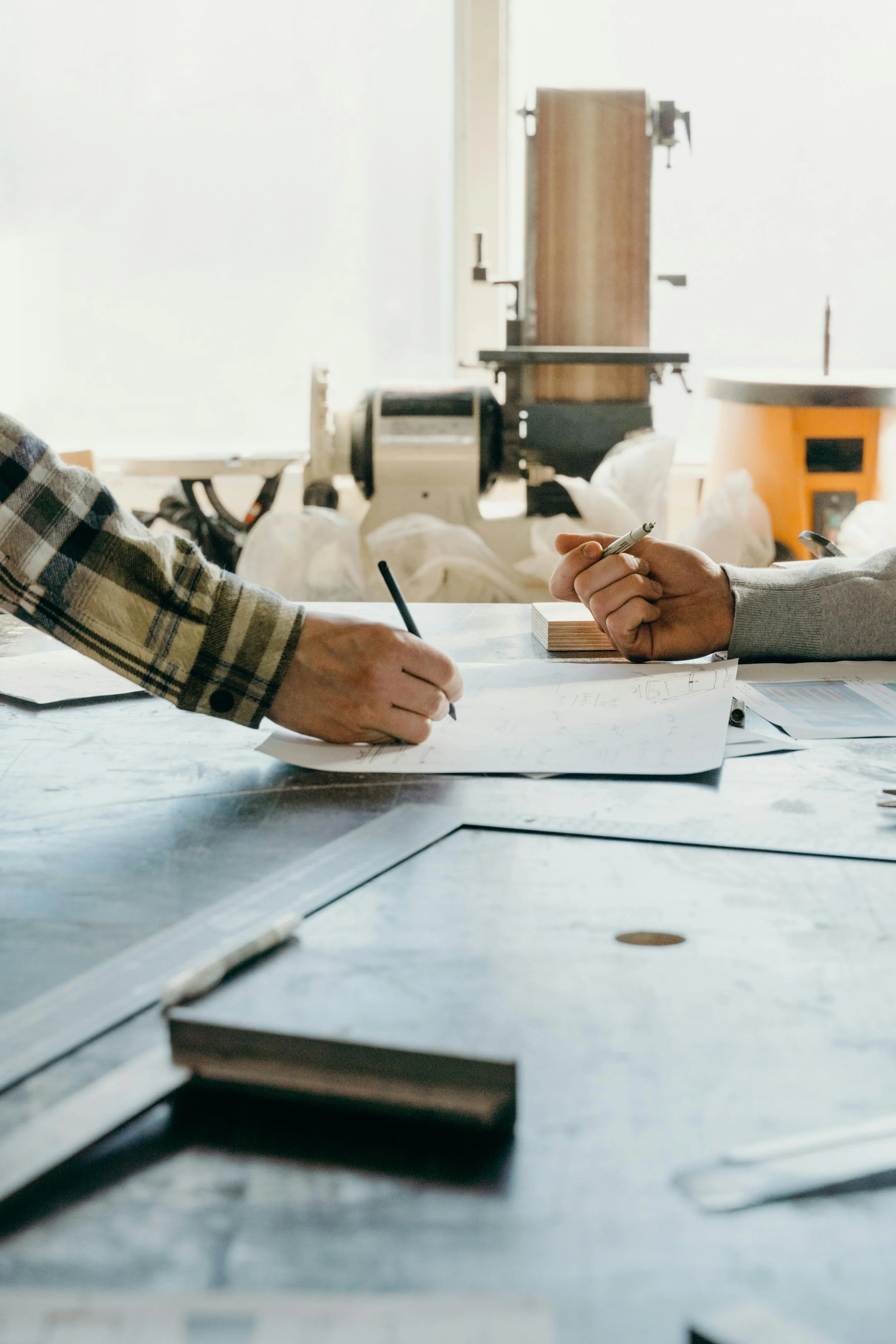
Early investigations help uncover unmet needs, potential innovation areas, and emerging market trends.
-
Clear benchmarks are established to guide decision-making and measure outcomes throughout the project.
-
Competitive products and pricing structures are reviewed to identify market gaps and position the offering effectively.
-
Research into user behaviors, goals, and environments provides essential insight for shaping relevant, human-centered solutions.
DEFINE
-
Uncovers the core client goals and key problems that the design must address.
-
Identifies technical, regulatory, and production limitations that shape feasible solutions.
-
Outlines the project’s boundaries, schedule, and budget to align expectations and resources.
-
Gathers input from key stakeholders to confirm direction and ensure alignment across teams.
DEVELOP
-
Gathers insights from real users to inform and refine design decisions during development.
-
Multiple design directions are generated and evaluated to identify the most promising solutions.
-
Digital models are developed to visualize, iterate, and prepare designs for prototyping and production.
-
Physical or digital prototypes are constructed, tested, and refined based on feedback and performance.
DELIVER
-
Design direction validated against business goals and user feedback
-
Final design documentation ready for manufacturing or next development phase
-
Documentation and assets are packaged to support manufacturing handoff or seamless transition to the next development phase.